
Rubrika: News
-
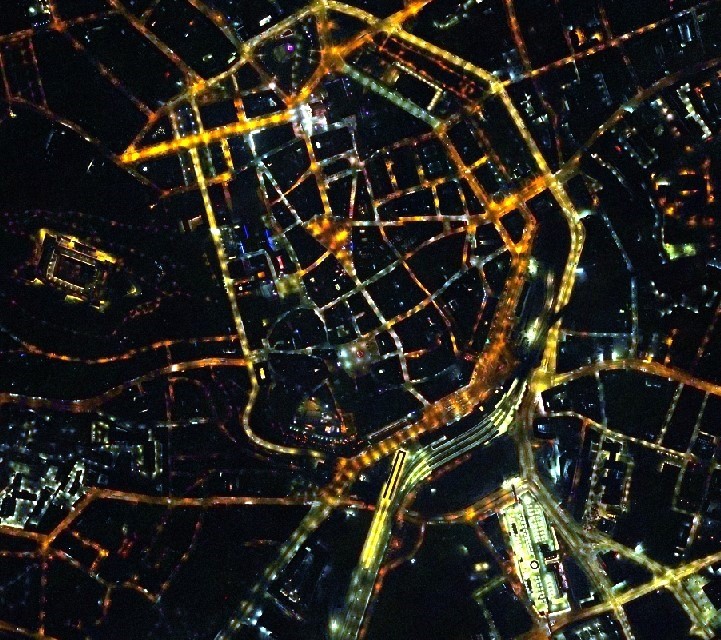
Darkness as an Endangered Species: Why Light Pollution Matters
Author: Tomáš Klouček Darkness, once an integral part of life on Earth, is now rapidly vanishing. The spread of artificial lighting—often excessive, misdirected, or poorly regulated—has created a form of pollution that is both overlooked and far-reaching. Known as light pollution, it disrupts ecosystems, affects human health, and fundamentally alters our relationship with the night…
-

Vítězslav Moudrý on Czech Television: Restoring Post-Mining Landscapes with Modern Technology
Vítězslav Moudrý from the Faculty of Environmental Sciences at CZU appeared on the morning show Studio 6 on Czech Television (ČT24) to discuss the ecological restoration of landscapes affected by coal mining. In the interview, he explained how modern technologies—particularly airborne laser scanning (lidar) and hyperspectral imaging—are used to monitor landscape changes during reclamation. Using…
-
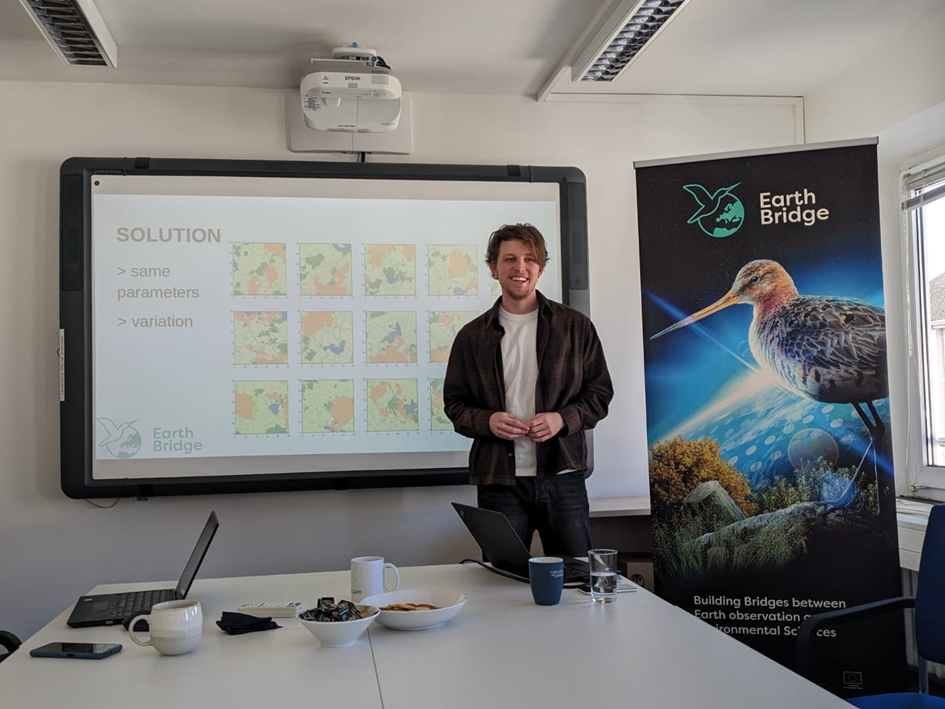
Early Research Mobility Experiences: My Visit Exchange to Bonn
Author: Michal Kučera To make the most of my PhD journey, I sought early experience through a short research exchange at the University of Bonn. I wanted to immerse myself in a concentrated research environment, which I believed would help me refine my research concept and uncover connections with other scholars’ work. By engaging with…
-

EARSeL 2025 Symposium in Prague
Author: Jiří Rous At the end of May, I had the opportunity to attend the 45th EARSel Symposium, hosted this year in Prague. The conference brought together researchers from various fields of remote sensing, including environmental monitoring, forestry, agriculture, climate science, and data processing. The atmosphere was inspiring, with presentations covering a broad spectrum of…
-
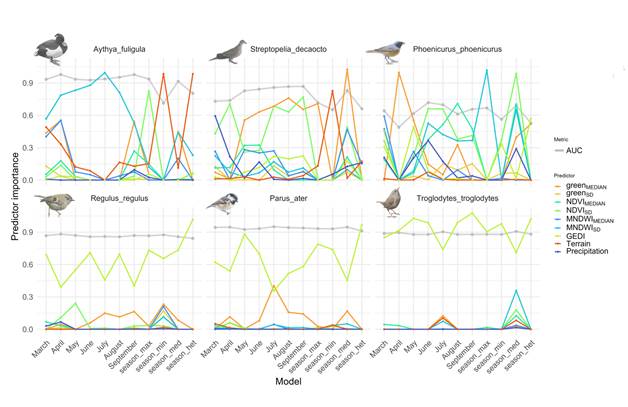
Why Timing Matters: How seasonal changes shape bird species distribution models
Author: Dominika Prajzlerová Species Distribution Models (SDMs) are powerful tools that help scientists understand where species live—and why—by linking species occurrences to environmental conditions. These models often use remote sensing (RS) data from satellites to describe habitat conditions across large areas. But one key question often goes overlooked: When is the best time to acquire…
-

Tracking the Hidden Climate Impact of Invasive Plants
Author: Giorgi Kozhoridze A joint research initiative between the Czech University of Life Sciences in Prague and Tel Aviv University aimed to explore a frequently neglected impact of invasive plant species: their capacity to alter the local climate. Concentrating on the delicate coastal sand dunes of the eastern Mediterranean, the research investigated how two invasive…
-
How Ground-Based LiDAR Is Transforming Forest Inventories
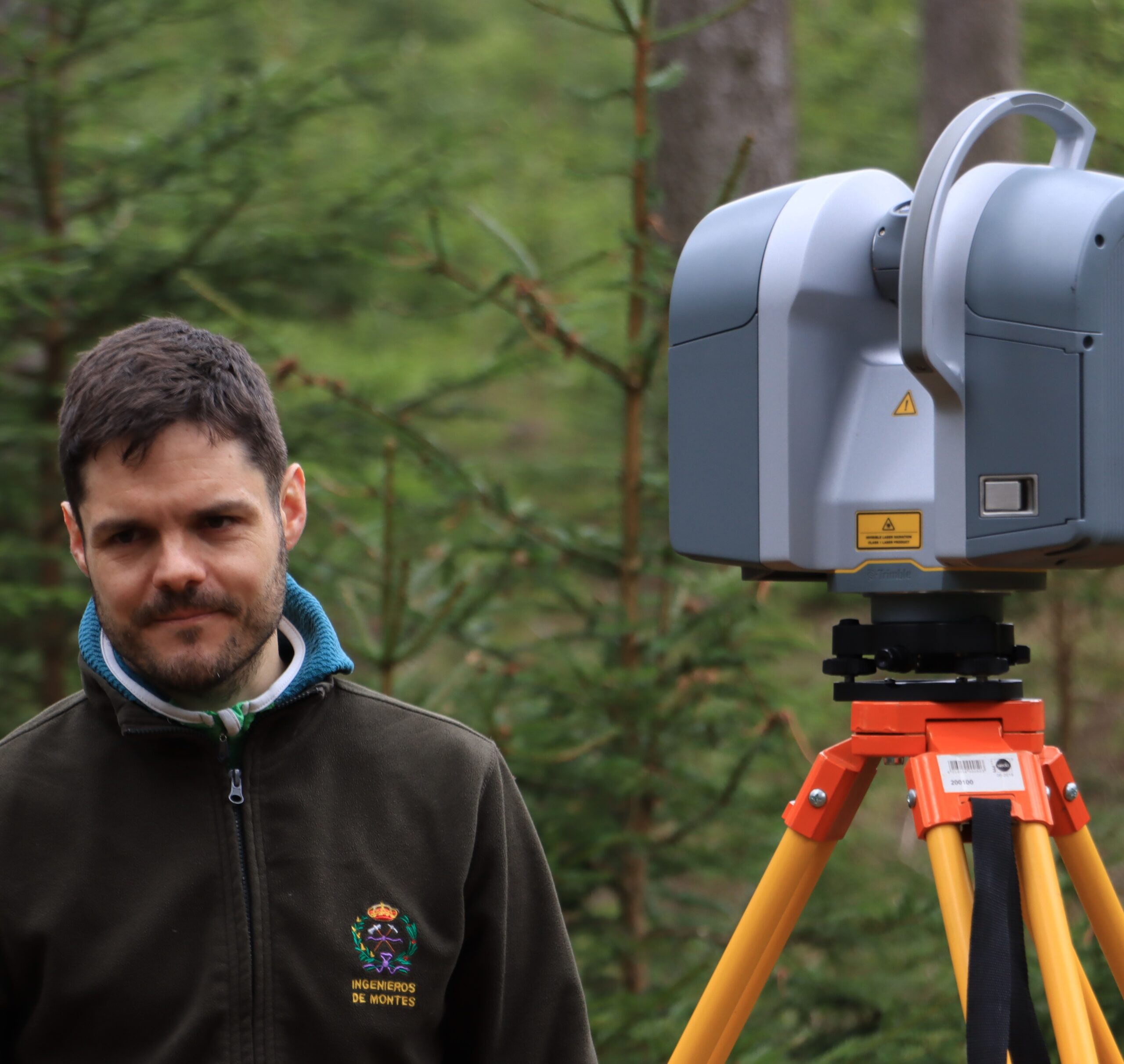
Author: Juan Alberto Molina Valero These days, with drones and satellites capturing stunning views from above, it’s easy to forget that some of the most powerful tools for understanding our forests are still on the ground. In our recent study, we explored how a ground-based laser scanning tool—called terrestrial laser scanner (TLS)—can help us measure…
-
Lidar in Students‘ Final Theses
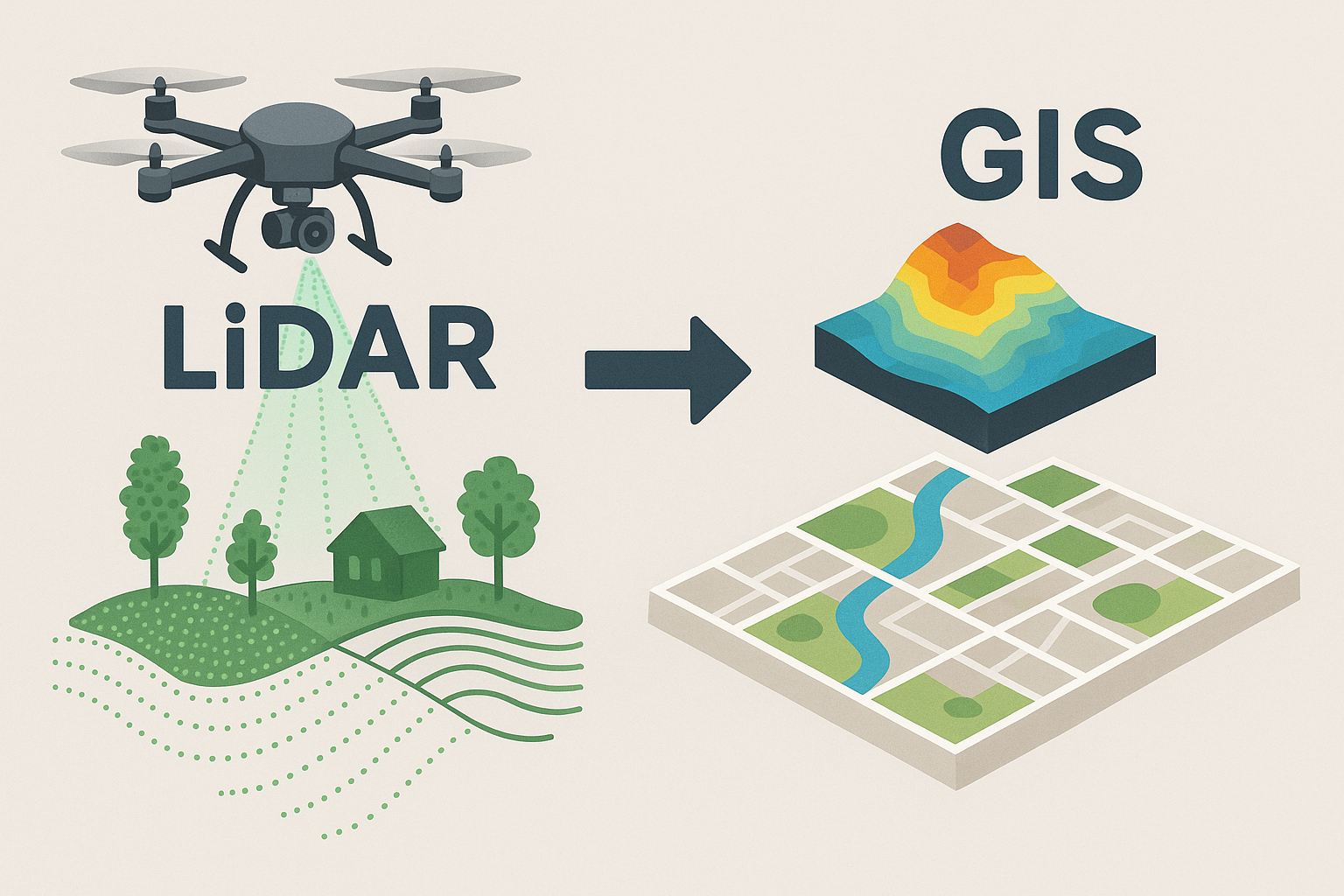
Author: Vitezslav Moudry Recent months have been marked by the completion and evaluation of student theses. It should come as no surprise that the students I have supervised have often worked with laser altimetry data in some way and that these theses are closely related to what we are doing in EarthBridge. Two studies validated…
-
When Wind Blows
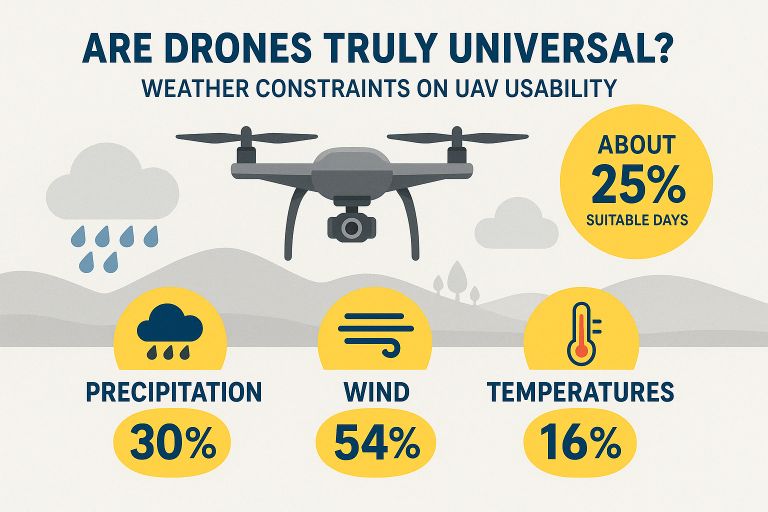
Author: Jan Komárek Drones have revolutionised environmental monitoring, promising on-demand, high-resolution data collection in places satellites can’t reach. But beneath the hype lies a harsher reality: weather. I analysed meteorological records from 31 Czech locations (2016–2024) and found that drones are actually grounded about 75 % of the time. Here’s why—and what we can do…
-
From Simulation to Validation: Species Distribution Work in Bologna
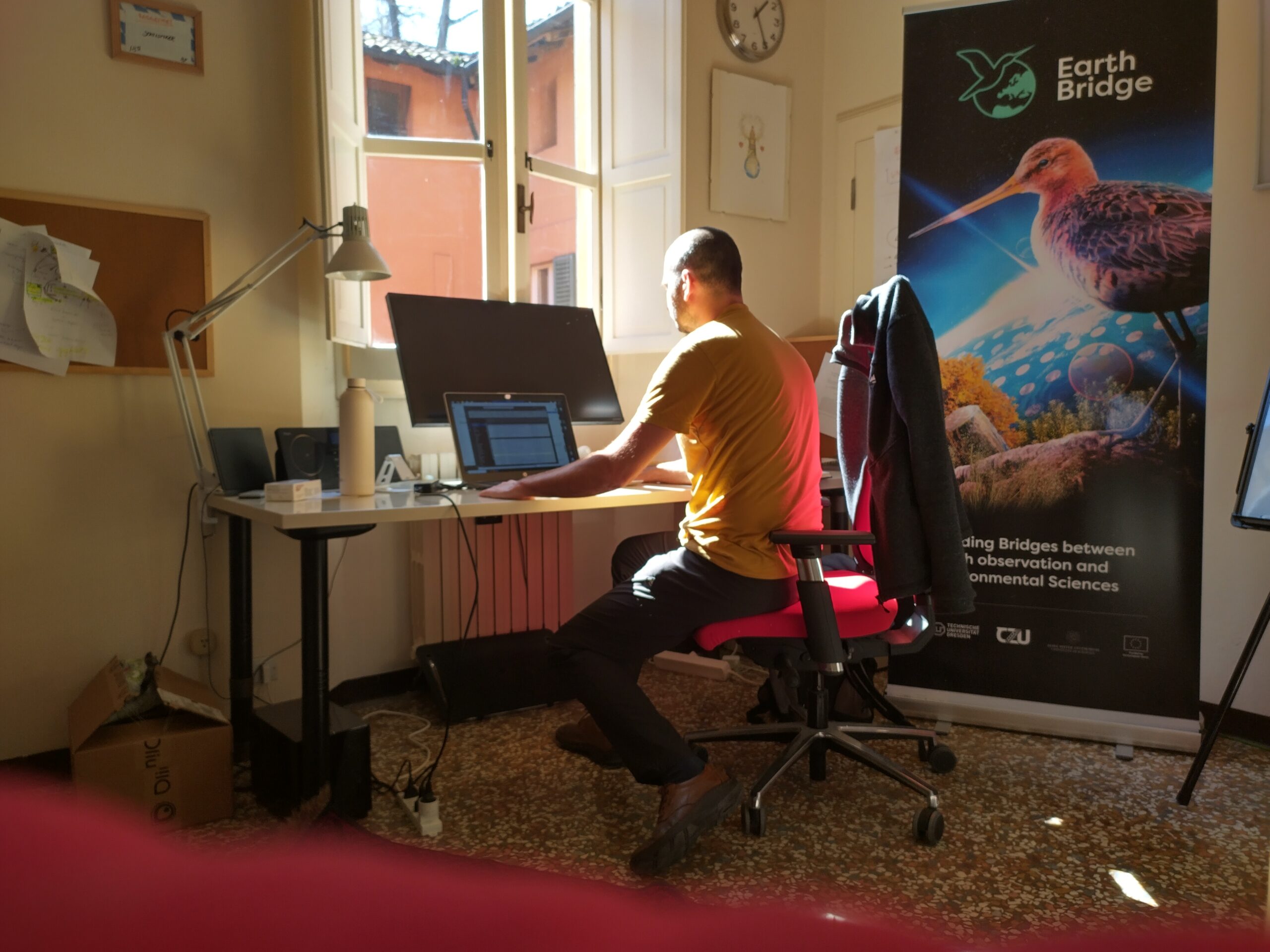
Vítězslav Moudrý A short trip to Bologna primarily allowed me to continue the work we started together almost a year ago during my first stay there, specifically on an article titled How does the error in predictors and species occurrence data accumulate in species distribution predictions? In addition to working on the text of the…