
Rubrika: News
-
Perrone – conference June 2025
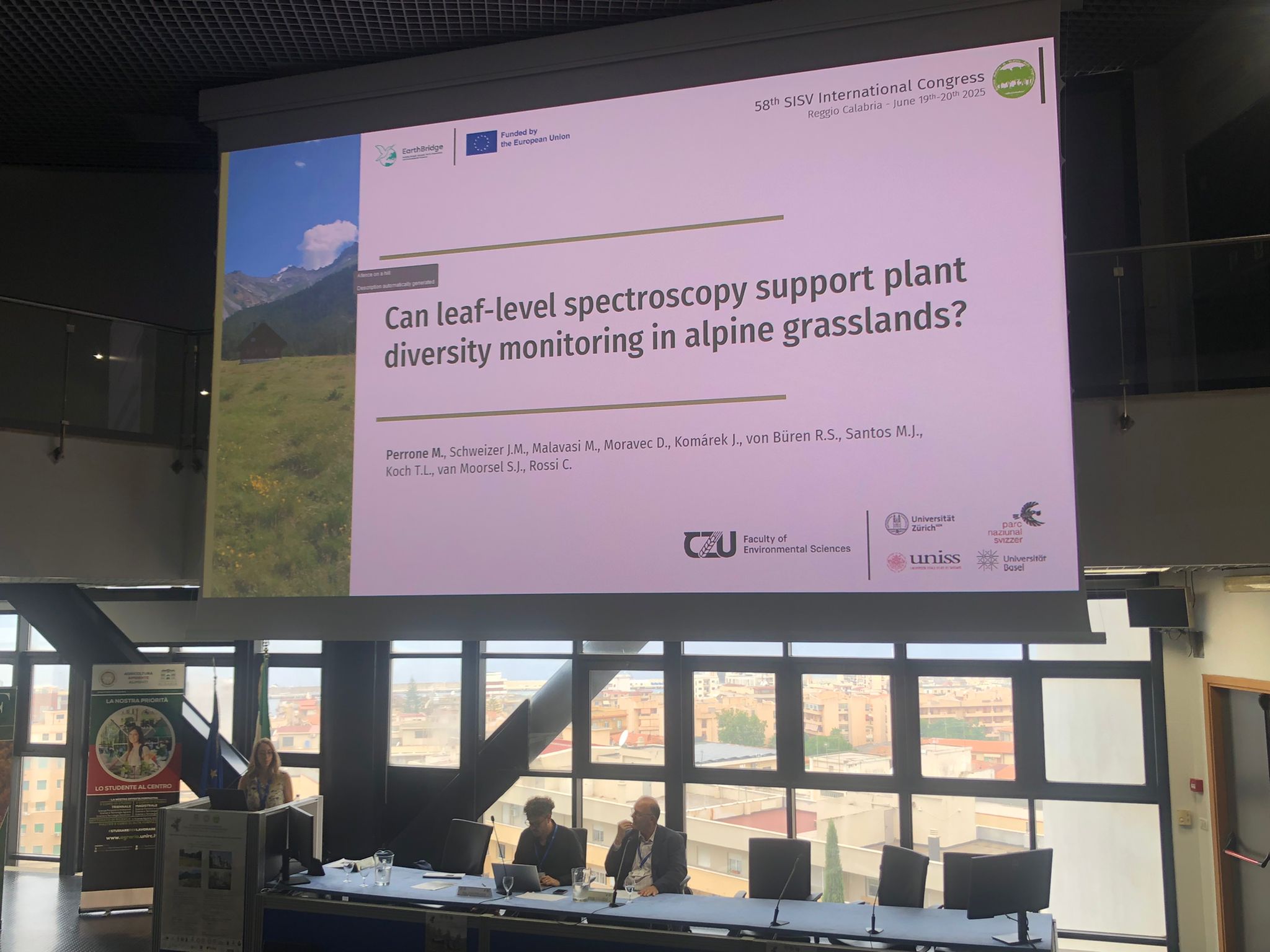
Michela Perrone recently participated in the 58th INTERNATIONAL CONGRESS of the Italian Society of Vegetation Science (SISV) that took place in Reggio Calabria from June 19th to 21st, 2025, at the Mediterranean University of Reggio Calabria. During the session Functional traits and Diversity in plant communities, she delivered a presentation entitled „Can leaf-level spectroscopy support…
-
Is TanDEM-X a DTM or DSM?
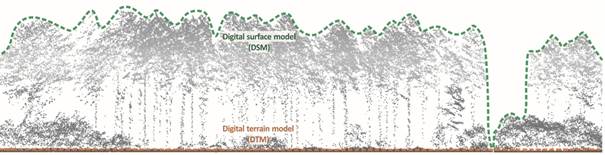
Author: Kateřina Gdulová Global radar-based Digital Elevation Models (DEMs), such as TanDEM-X and SRTM, are widely used to represent different aspects of the Earth’s surface. However, one key question often goes unaddressed: Are these DEMs digital terrain models (DTMs) or digital surface models (DSMs)? These models are used as both DTMs and DSMs, sometimes without…
-
Research Exchange in Bologna: Bridging Drone Data and Biodiversity Science
Between May 8–29, 2025, PhD candidate Dominika Prajzlerová participated in a research exchange at the renowned University of Bologna as part of the Horizon Europe project Building Bridges between Earth Observation and Environmental Sciences (EarthBridge). The purpose of the stay was to launch a new study exploring how drone imagery can help explain bird abundance…
-
New Publication by Dominika Prajzlerová in Ecography
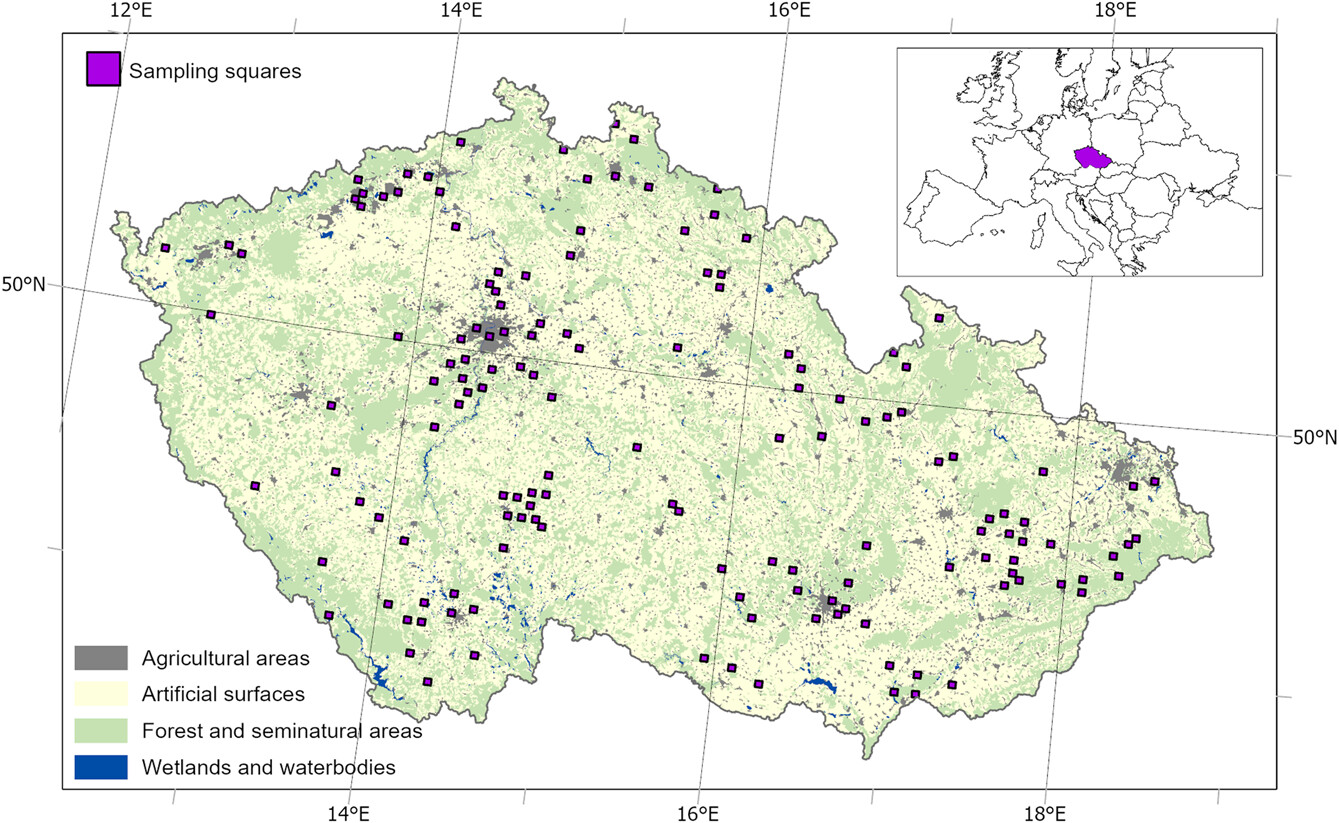
Dominika Prajzlerová has published a new article in Ecography titled:„The time of acquisition of multispectral predictors matters: the role of seasonality in bird species distribution models“ The study explores how the timing of multispectral satellite data (Sentinel‑2) acquisition affects species distribution models for 104 bird species in the Czech Republic. Results show that selecting the…
-
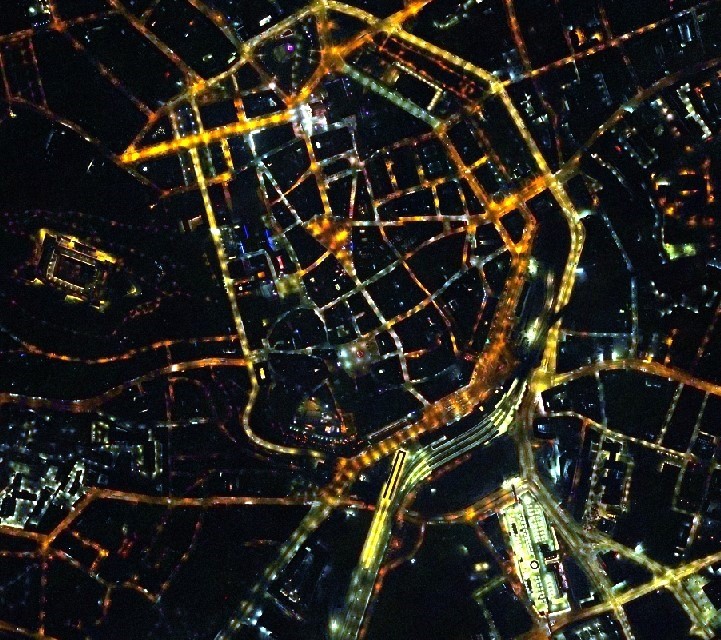
Darkness as an Endangered Species: Why Light Pollution Matters
Author: Tomáš Klouček Darkness, once an integral part of life on Earth, is now rapidly vanishing. The spread of artificial lighting—often excessive, misdirected, or poorly regulated—has created a form of pollution that is both overlooked and far-reaching. Known as light pollution, it disrupts ecosystems, affects human health, and fundamentally alters our relationship with the night…
-
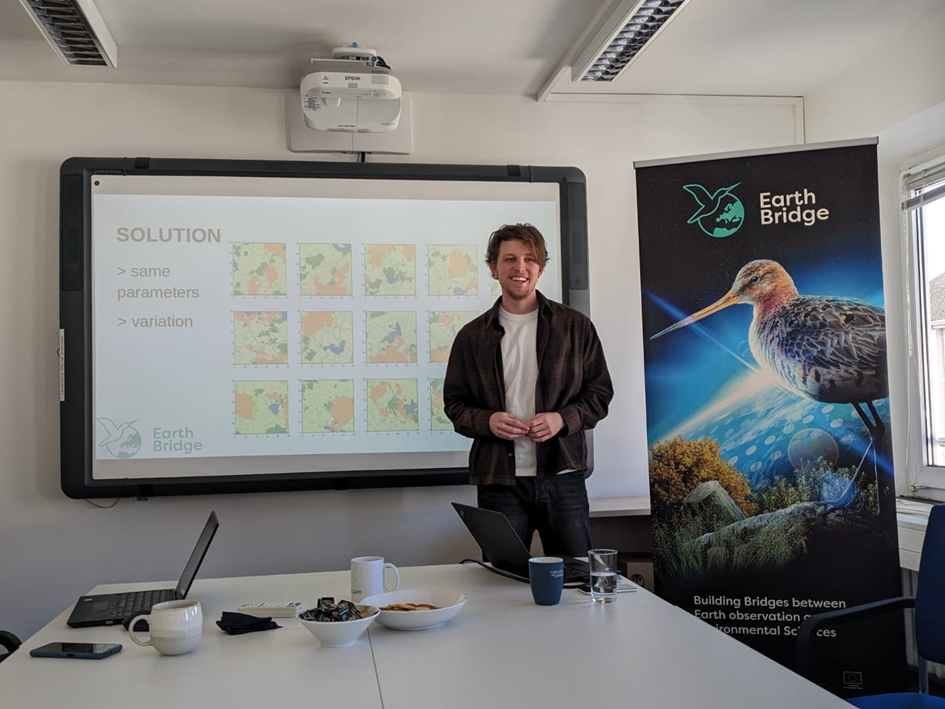
Early Research Mobility Experiences: My Visit Exchange to Bonn
Author: Michal Kučera To make the most of my PhD journey, I sought early experience through a short research exchange at the University of Bonn. I wanted to immerse myself in a concentrated research environment, which I believed would help me refine my research concept and uncover connections with other scholars’ work. By engaging with…
-
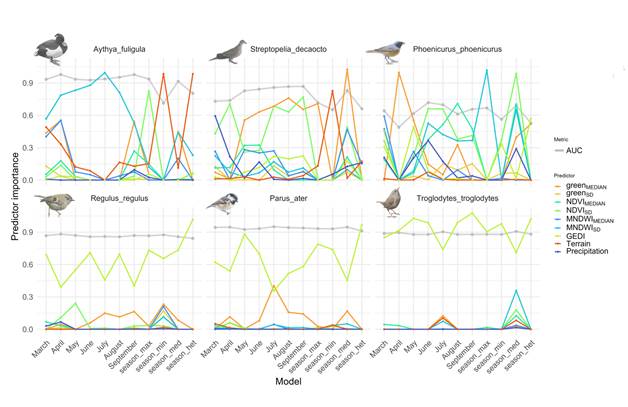
Why Timing Matters: How seasonal changes shape bird species distribution models
Author: Dominika Prajzlerová Species Distribution Models (SDMs) are powerful tools that help scientists understand where species live—and why—by linking species occurrences to environmental conditions. These models often use remote sensing (RS) data from satellites to describe habitat conditions across large areas. But one key question often goes overlooked: When is the best time to acquire…
-

Tracking the Hidden Climate Impact of Invasive Plants
Author: Giorgi Kozhoridze A joint research initiative between the Czech University of Life Sciences in Prague and Tel Aviv University aimed to explore a frequently neglected impact of invasive plant species: their capacity to alter the local climate. Concentrating on the delicate coastal sand dunes of the eastern Mediterranean, the research investigated how two invasive…
-
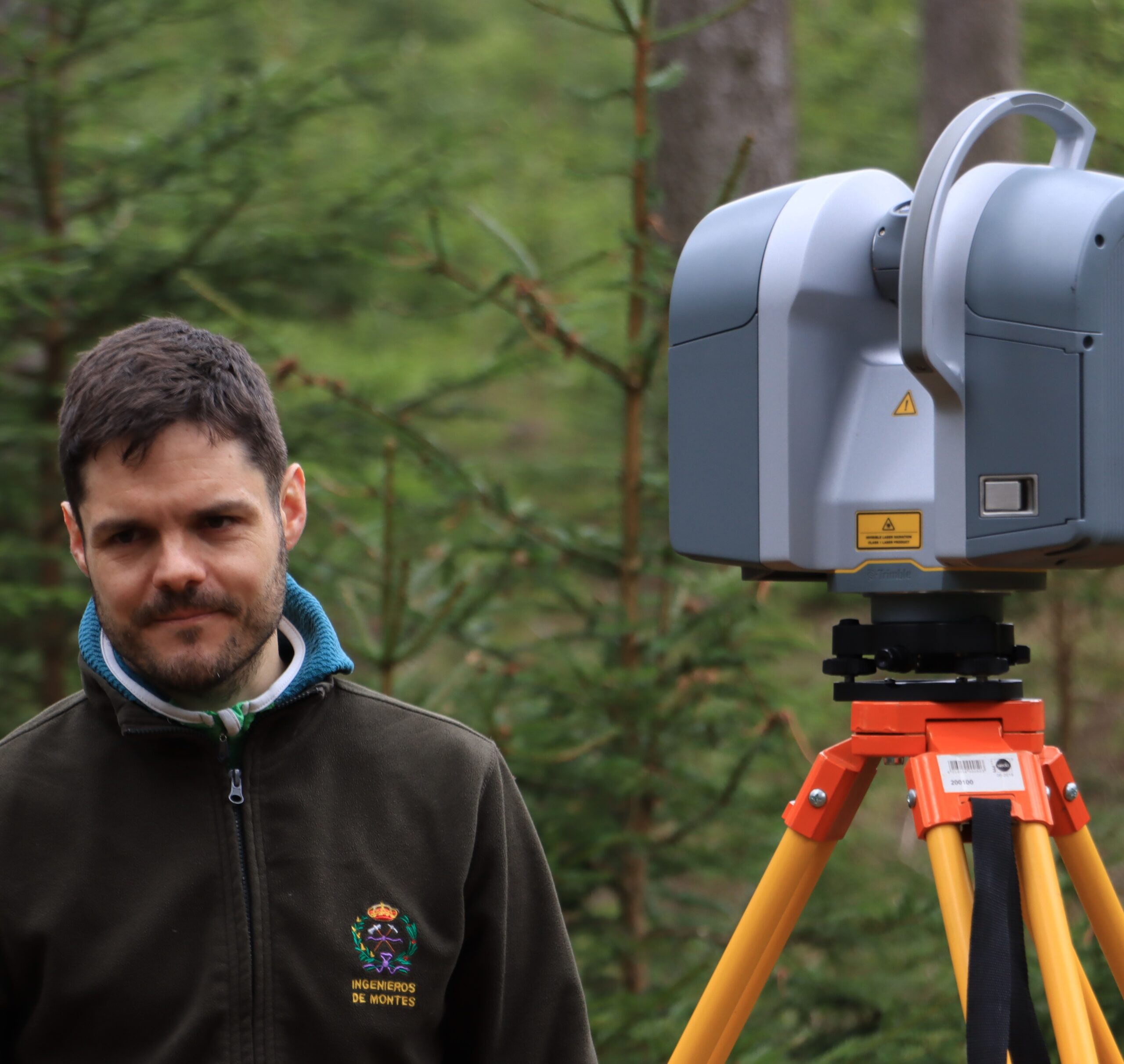
How Ground-Based LiDAR Is Transforming Forest Inventories
Author: Juan Alberto Molina Valero These days, with drones and satellites capturing stunning views from above, it’s easy to forget that some of the most powerful tools for understanding our forests are still on the ground. In our recent study, we explored how a ground-based laser scanning tool—called terrestrial laser scanner (TLS)—can help us measure…
-
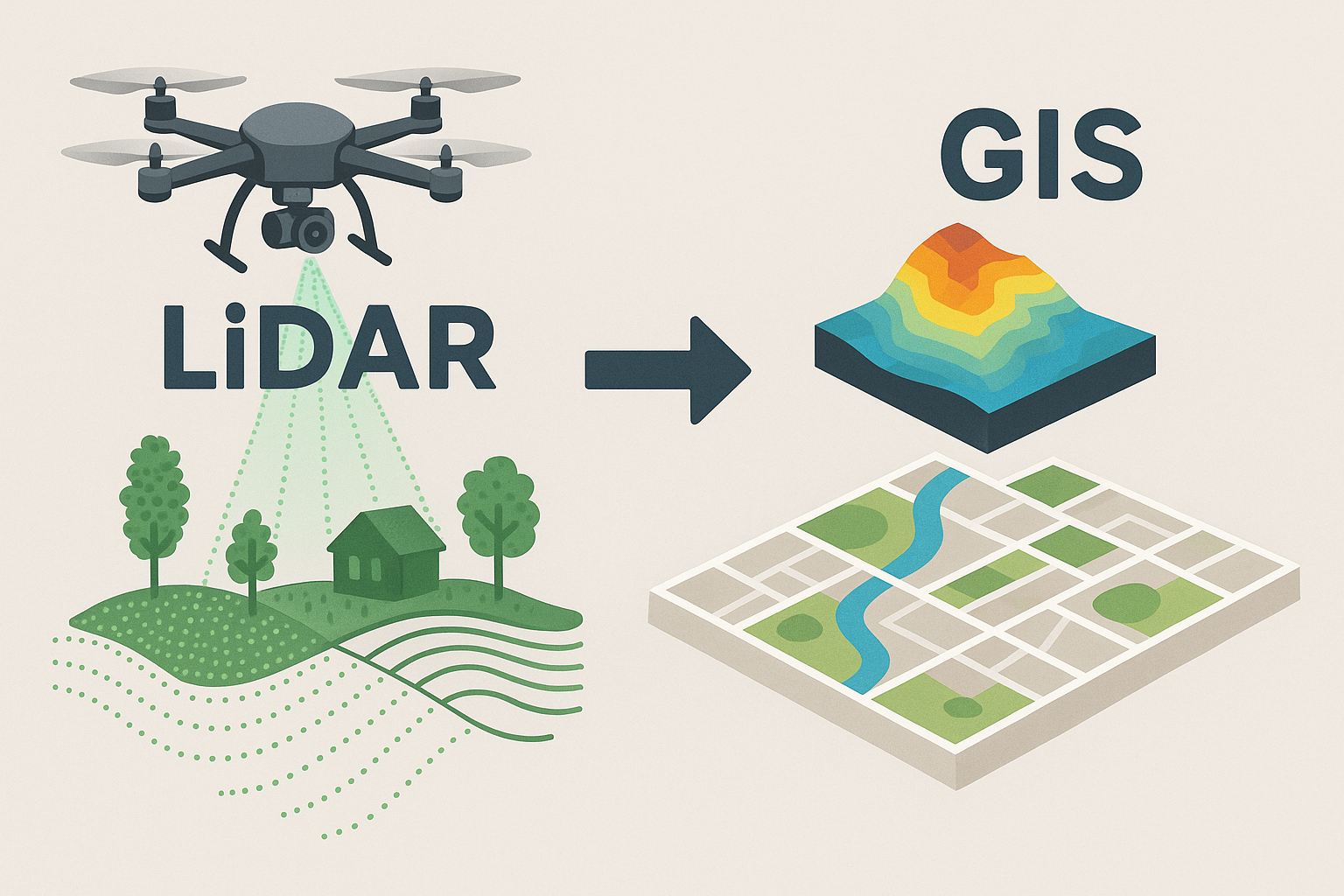
Lidar in Students‘ Final Theses
Author: Vitezslav Moudry Recent months have been marked by the completion and evaluation of student theses. It should come as no surprise that the students I have supervised have often worked with laser altimetry data in some way and that these theses are closely related to what we are doing in EarthBridge. Two studies validated…